
CANCELLED; WE WILL OFFER UNWELL TOGETHER IN ANOTHER FORM SOON—SUBSCRIBE TO MICHELLE’S NEWSLETTER TO STAY UPDATED.
A LIVE FOUR-PART ONLINE SERIES for facilitators, healers, organizers, & space-holders learning to stay in relationship when things are sticky.



INTERESTED IN LEARNING MORE?
WATCH OUR FREE CONVERSATION
On July 29th the three of us sat down for a live, unscripted conversation about what we're carrying, how it shows up in the rooms we hold, and what becomes possible when we stop pretending we can hold it alone.
The recording is here, captioned, and yours to watch whenever you have the time.

I AM SO EXCITED THIS CONVERSATION IS HAPPENING.
I think this is proof of what I've been thinking—that we've been having this conversation in our small groups, and the fact that you're gathering more people together means we can have these conversations in larger groups.
That makes me feel hopeful somehow, in the midst of this.
— Tamara Jeffries, participant in the July 29th conversation
When the container we’re holding becomes safer, people may unravel—not because the content didn’t land, or because the facilitator failed.
Because there is finally enough room for what has been held, hidden, managed, or survived to come forward.
The question is not whether conflict will happen in our spaces.
Conflict will happen. Harm will happen. Mistakes will be made and rupture will occur. Disintegration will happen. Grief will be present.
The polycrisis is not out there, separate from the rooms we gather in—virtually or otherwise.
It moves through our bodies, and shows up in our group settings. It shapes what becomes possible, what breaks open, what contracts, what gets projected, and what gets avoided.


YOU MIGHT BE WONDERING
✻
How do we tend the container without over-functioning?
✻
How do we know what is mine to hold, what is the group’s to hold, and what belongs to the systems moving through all of us?
✻
How do we prepare, practice, respond, repair, and stay?
✻
How do we love ourselves into who we want to be?
✻
How do we practice Beloved Community when things are falling apart?
✻
This series will be a practice space.
WHAT WE’LL PRACTICE TOGETHER
Facilitating during the polycrisis: naming the conditions we are actually in and how they show up in bodies, relationships, groups, and containers.
Minding my business / the group’s business: discerning what is mine to notice, tend, and take responsibility for, and what belongs in the collective field.
Beloved Community when things are falling apart: exploring what staying can look like without bypassing impact, accountability, boundaries, or grief.
Somatic preparation and play: moving in new ways, working with breath, body, curiosity, and embodied empathy.
Pattern interrupting: knowing what is before trying to change it, and finding micro-choice points where the cycle can shift.
Accountability beyond punishment: practicing repair, responsibility, and steadfast empathy without collapsing into shame or control.
Ritual and ceremony: asking what we are already ritualizing, what we need to release, and what we want to intentionally remember, imprint, and become.
Ancestral technologies of support: calling on wisdom, lineage, practice, and relationship to help us love ourselves and one another into being.
MODULE 1
THE CONTAINER IN THE POLYCRISIS
Facilitating when people are disintegrating, unraveling, grieving, projecting, contracting, and carrying more than the space may know how to hold.
We’ll explore:
What is the moment asking of facilitators, healers, organizers, and space-holders?
What happens when the world’s disintegration is mirrored in our groups?
How do power, positionality, trauma, impact, and social location shape the container?
What can the container hold, and what am I holding?
How do we acknowledge from the beginning that things may be hard, uncomfortable, and charged?
MODULE 2
MINE, OURS, & AND THE GROUP’S
Practicing discernment around responsibility, projection, accountability, and choice points when things get sticky.
We’ll explore:
What is my business? What is the group’s business? What belongs to the systems moving through us?
Where are we outsourcing things that are actually ours to do?
What is the difference between easeful and easy?
How do we create micro-choice points as facilitators and participants?
How can one breath interrupt a pattern without pretending one breath solves everything?
MODULE 3
BELOVED COMMUNITY WHEN THINGS ARE FALLING APART
Exploring conflict, accountability, abolitionist practice, embodied empathy, and staying in relationship without bypassing harm.
What we’ll explore:
How do we practice Beloved Community when no one knows what to do?
What happens when we mess up?
What does it look like to stay without collapsing into punishment thinking?
How do we practice accountability as care rather than punishment?
How do we remain grounded, seated, and embodied while tending what is in front of us?
MODULE 4
RITUALIZING WHAT COMES NEXT
Moving toward future practice: ceremony, ancestral support, new imprints, sustainable service, and the shapes we are choosing to rehearse.
We’ll explore:
What are we ritualizing in the midst of unwellness?
What ancestral technologies of support can help us love ourselves into being?
How do we create new imprints and new shapes for whatever is coming next?
What becomes possible when we practice into the future rather than only react to crisis?
What are we trusting? What is our safety plan? What is our inner work care plan?
MEET THE FACILITATORS
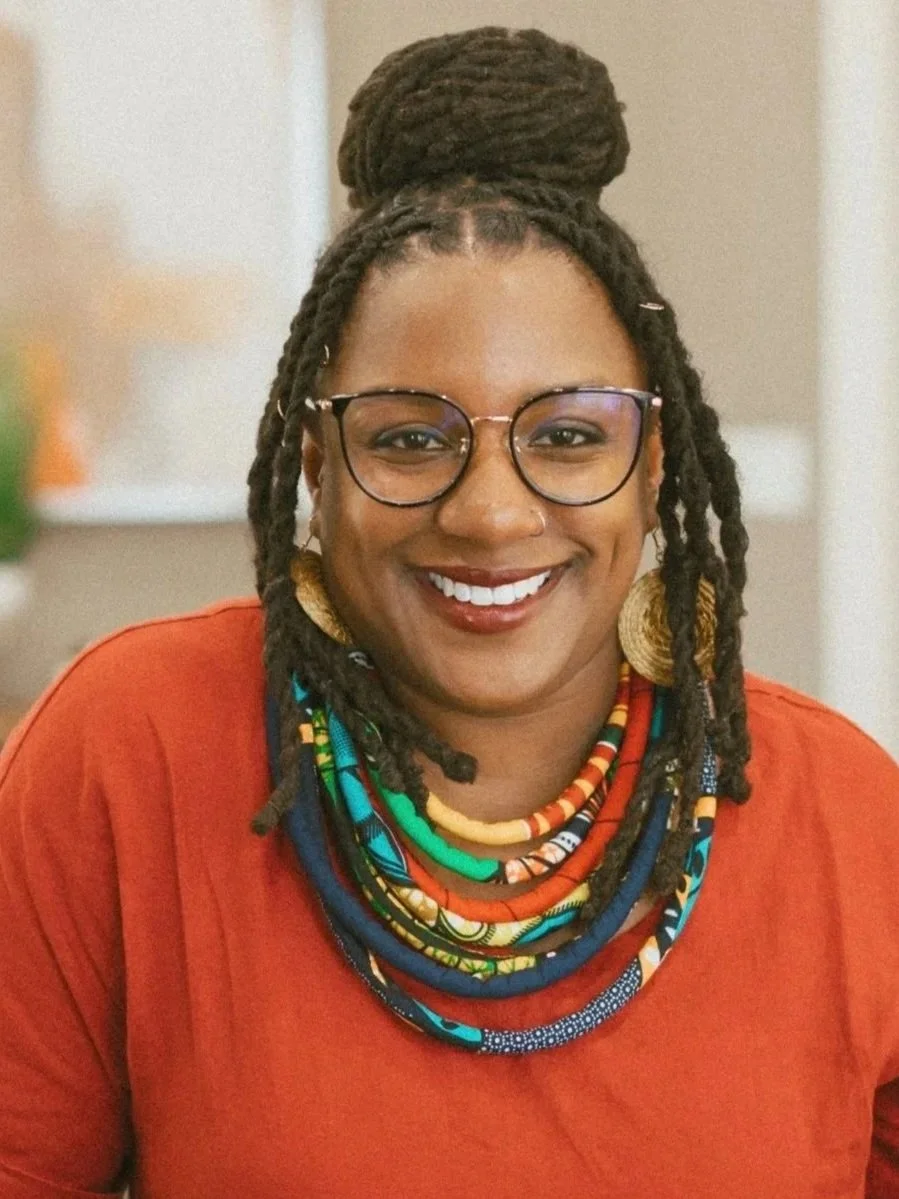
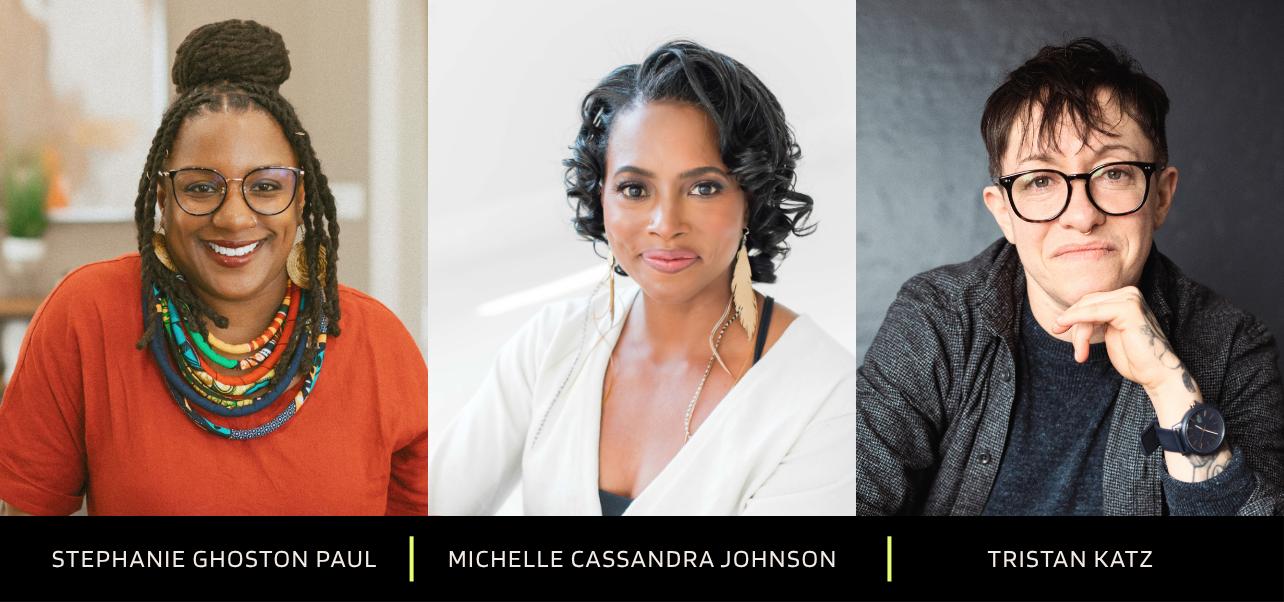
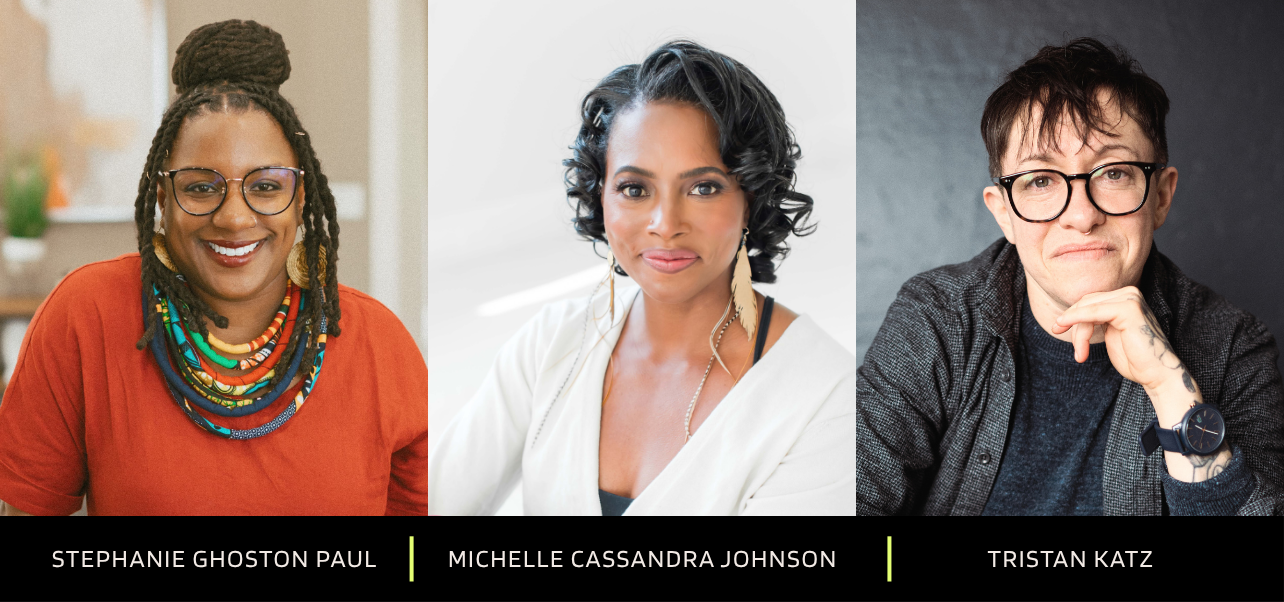
Stephanie Ghoston Paul is an internationally recognized speaker, racial justice facilitator, life coach, organizational development consultant, and recovering lawyer who supports individuals, teams, and organizations through transformative liberation work. She helps people move through the messy middle of change with more clarity, confidence, and capacity—shifting from reactive patterns into proactive practices rooted in identity, culture, and collective possibility.
she/herSTEPHANIE GHOSTON PAUL
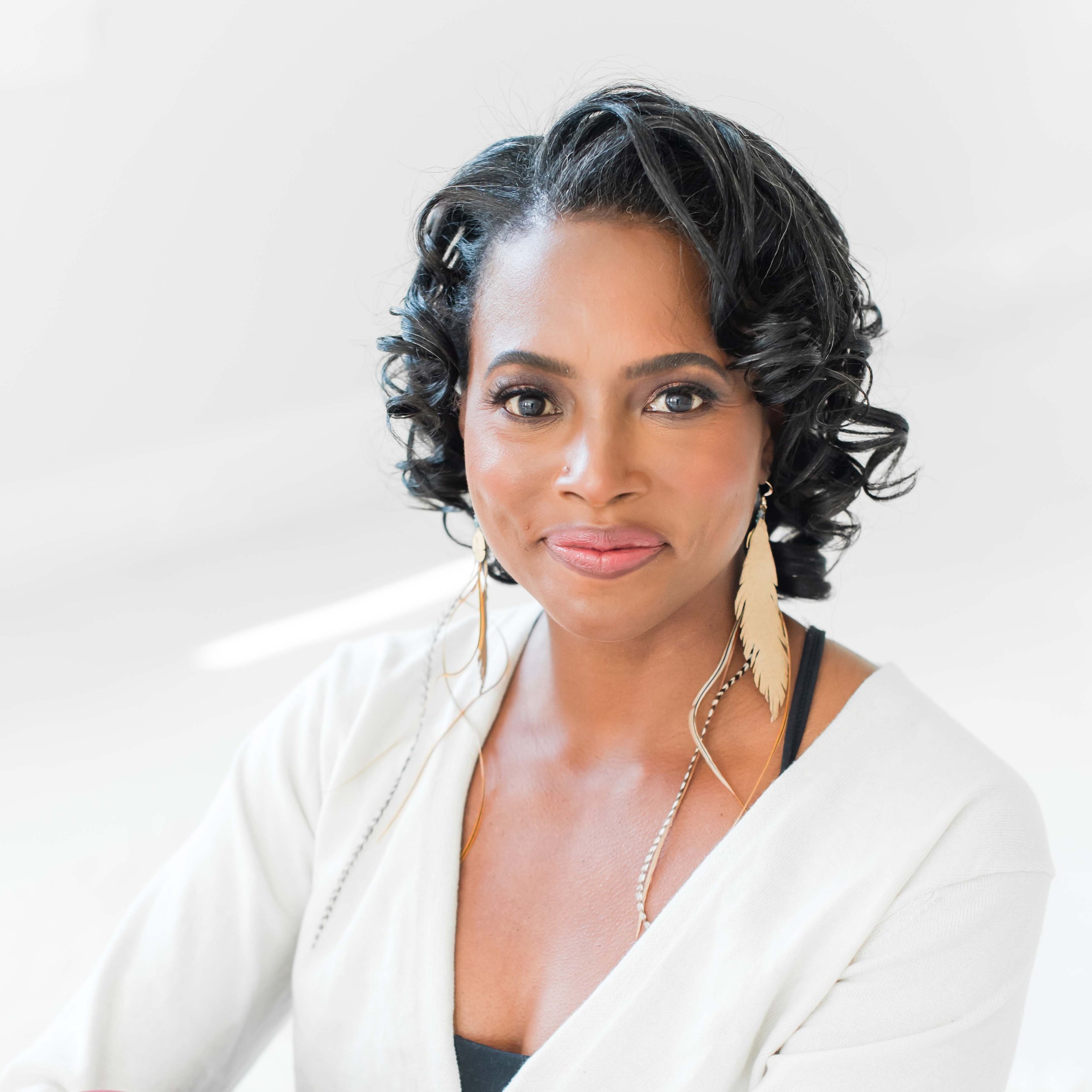
MICHELLE C. JOHNSON
Michelle Cassandra Johnson is an author, activist, spiritual teacher, racial equity consultant, educator, and intuitive healer whose work centers healing from individual and collective trauma, returning to wholeness, and aligning mind, body, spirit, and heart. For more than two decades, she has supported individuals, organizations, and communities in dismantling racism, disrupting systems of oppression, creating ritual in justice spaces, and practicing collective healing and liberation.
she/her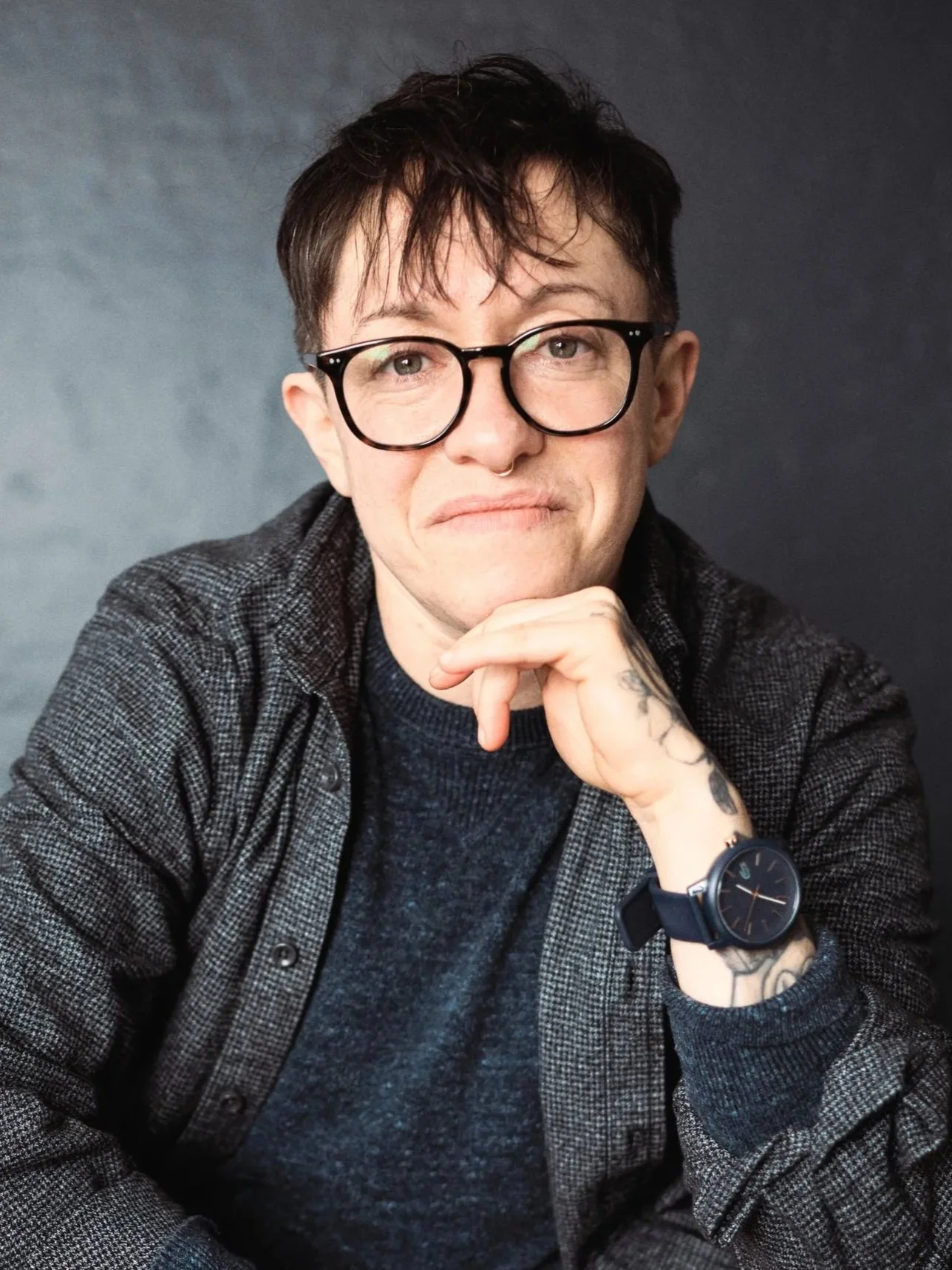
Tristan Katz is a nationally recognized speaker, facilitator, consultant, and writer whose work is rooted in intersectional, anti-oppression, and trauma-informed approaches to culturally competent marketing, business, and LGBTQIA+ Diversity, Equity, Inclusion, and Belonging. Tristan supports leaders, practitioners, and communities in moving from awareness to action with more clarity, accountability, relational skill, cultural responsibility, and care.
they/heTRISTAN KATZ
WHAT PEOPLE ARE SAYING
from past participants of The Art of Skillful Facilitation with Michelle, Stephanie + Tristan
✻
Michelle, Stephanie and Tristan guided the group with incredible grace, skill and heart.
— Emily Dalsfoist
✻
I felt like I learned how to be more deeply human over the course of five days.
— Asha
We are not meant to wait until the world calms down before we practice community. We are here, now, in the midst of rupture, grief, fear, longing, conflict, love, and possibility. So let’s practice.
LET’S RITUALIZE THE FUTURE WE ARE BRINGING INTO BEING.
ACCESS & CARE
Live captioning and transcript provided in every session
Recording of all sessions will be available for ongoing access
We will offer regular session breaks and you are always welcome to attend off-camera
We’ll practice Community Agreements and care practices, named at the beginning of each session
You are always welcome to notify us of any additional access needs as they arise
We know people will arrive with different capacities, nervous systems, identities, access needs, and lived experiences. You are invited to participate in ways that honor your body and capacity while remaining accountable to the collective space.
COMMON QUESTIONS
-
No. The free webinar is a generous entry point and an opportunity to feel into the themes, but it is not required.
-
Yes and no. This series will support facilitation skill-building, but it is not a formulaic training with scripts that promise a particular outcome. It will be a living, breathing practice space for tending groups, power, conflict, rupture, embodiment, accountability, ritual, and repair in an unwell time.
-
You are welcome if the themes resonate and you are willing to practice with humility, curiosity, and care. This space is for people holding many kinds of rooms: formal and informal, professional and communal.
-
Yes, both the free webinar and the session recordings will be available to registered participants. Because this is a relational practice space, we encourage live participation when possible.
-
You can expect reflection, somatic practice, small-group conversation, and integration. You will be invited to participate in ways that honor your capacity while remaining in relationship with the collective.
-
You are welcome, too. Many experienced space-holders are hungry for spaces where they do not have to be the only one holding complexity. This series invites continued practice, not arrival.
A NOTE ON SAFETY, POWER, & TRUTH
This series will not promise a “safe space” where discomfort never happens.
WE WILL ORIENT TOWARDS SAFER SPACES:
spaces that acknowledge power, social location, impact, trauma, conflict, and the possibility of harm; spaces where discomfort is not automatically treated as danger, and harm is not dismissed because someone “meant well;” spaces where we can practice relationship with more honesty, responsibility, curiosity, and care.
This matters because many of us have inherited facilitation norms that ask us to manage the room, smooth over rupture, or make conflict disappear. We need different practices, now more than ever.
There was ample opportunity to witness, reflect, process and practice identifying harm and practicing repair.
— Joan Zelaya, past participant, The Art of Skillful Facilitation